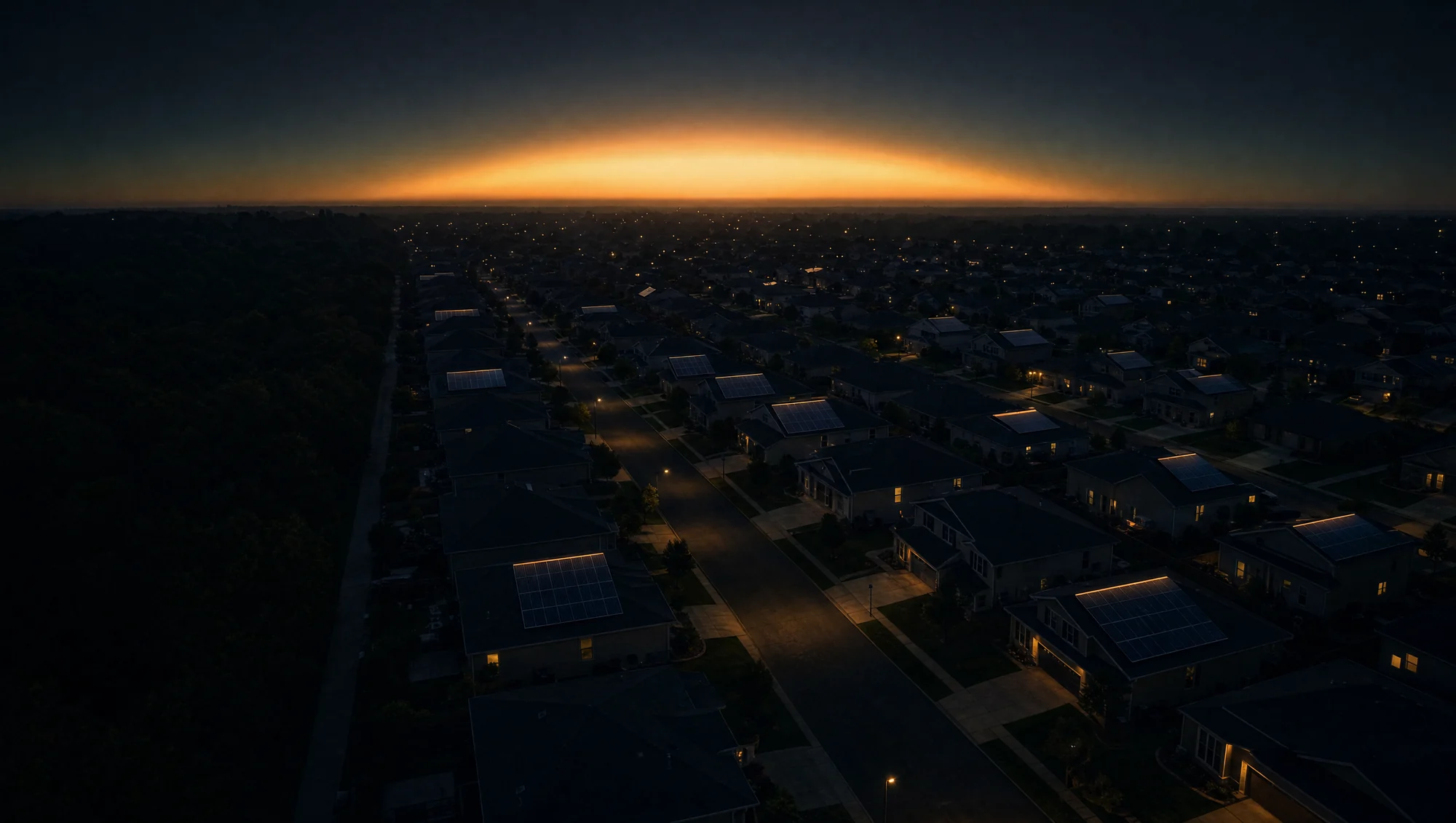
Home power
The cheapest power is already falling on the roof.
Solar and a battery for $0 upfront. The homeowner buys the power the roof makes instead of buying all of it from the utility, at a lower rate, starting the first month.
EverLume offers residential rooftop solar to Illinois homeowners on ComEd, starting in Lombard and neighboring DuPage cities.
Why the bill moved
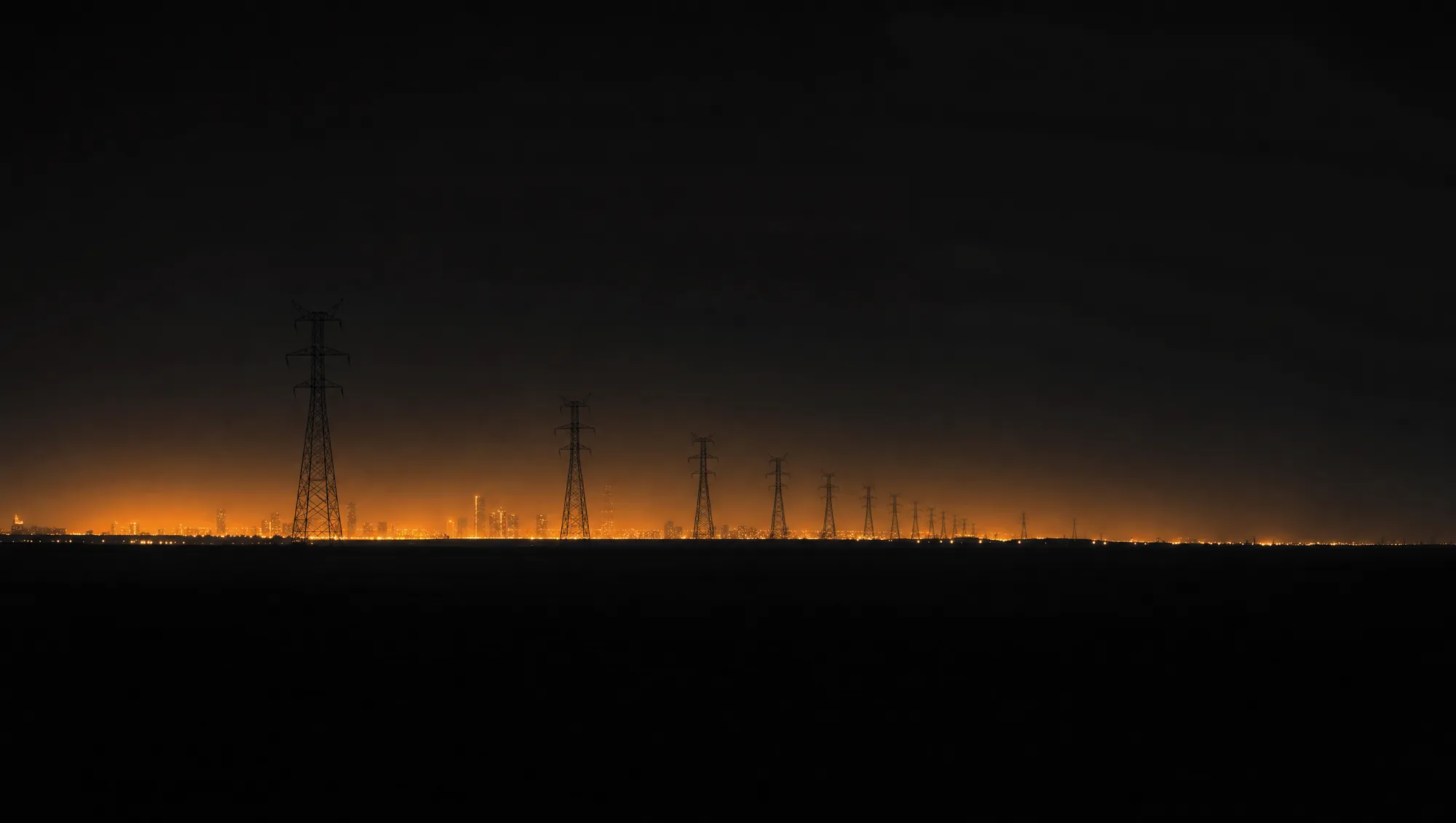
The bill didn't just go up. It got repriced.
Nothing in the house changed. Usage barely moved. What moved was the price of the electricity itself, and it moved for reasons that have nothing to do with anything the household did.
The world started asking the grid for far more electricity than it was ever built to carry. Data centers. Everything going electric at once. When demand outruns supply, the price gets reset, and that reset lands on the bill.
This is the beginning of a long era, not a bad summer. There is no version of it where one household argues its way to a better rate.
what the grid is asked for what it was built to carry
Why solar got a bad name
The bad name is earned. Just not by the technology.
- Sold at the door, signed at the kitchen table, by companies that were gone when something broke.
- Panels and nothing else. Power made at noon, in an empty house, with nowhere to put it.
- By evening the panels are done and the house is buying again. A smaller bill that still rises is the same exposure, discounted.
what the roof makes what the house uses
The whole system
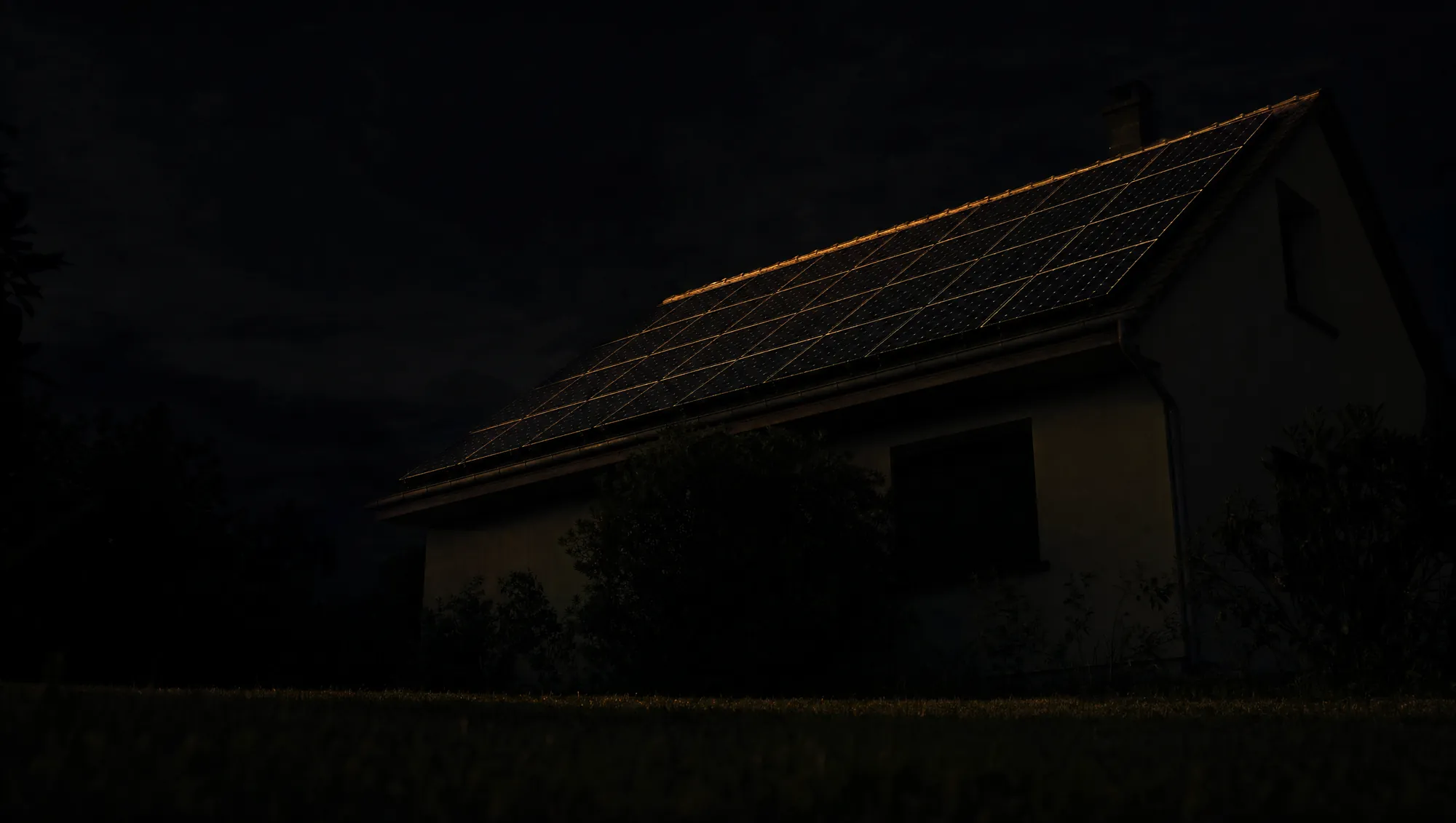
Make it in the day. Use it at night. Buy none of the hardware.
A roof that makes power and a battery that holds it is one machine, not two products. The panels cover the daylight. The battery carries that same power into the evening, which is when the house actually uses most of it.
So the power the roof made at noon is the power running the house after dark. Not a credit, not a rate that has to be hoped about later. The same electricity, kept.
$0
upfront
no equipment to finance
The homeowner never buys the machine. EverLume handles the permits, the install and the inspection, and because the hardware stays with EverLume, keeping it running is EverLume's cost rather than a repair bill waiting years from now.


How it works
Four steps, and the first two ask nothing of the homeowner.
-
EverLume looks at the roof, usage and the bill. Some houses are not a fit, and EverLume will say so.
-
The actual rate and the actual bill, next to what the house pays now. In writing, before anyone is asked to sign.
-
Permits, equipment, inspection and monitoring. Handled.
-
The homeowner's utility bill is based on the rate in the agreement, which is set in writing before anyone is asked to sign.
What's covered
If anything breaks, it is EverLume's to fix.
Here is that trade, stated plainly. The homeowner is buying the power, not the equipment. The panels and the battery stay with EverLume for the term of the agreement.
That is the part people expect to dislike, and it is also the part that protects them. Because the hardware stays with EverLume, every repair, every replacement and all of the monitoring is EverLume's cost and EverLume's job. A panel fails, EverLume replaces it. Something stops producing, that is EverLume's problem to solve and not a bill the homeowner did not plan for.
If a household has the cash and wants to own a system on day one, buy one. For some households that is genuinely the better deal, and EverLume would rather say so now than talk a house into the wrong thing.
| EverLume plan | Buying with cash | |
|---|---|---|
| Upfront cost | None | Paid upfront |
| Who owns it | EverLume does, with a buy out option after five years | The homeowner does, on day one |
| Repairs and replacement | EverLume's | The homeowner's |
| Battery | Included when it is needed or wanted | Optional, at the homeowner's cost |
| If the house is sold | The agreement transfers | The homeowner's to sell with the house |
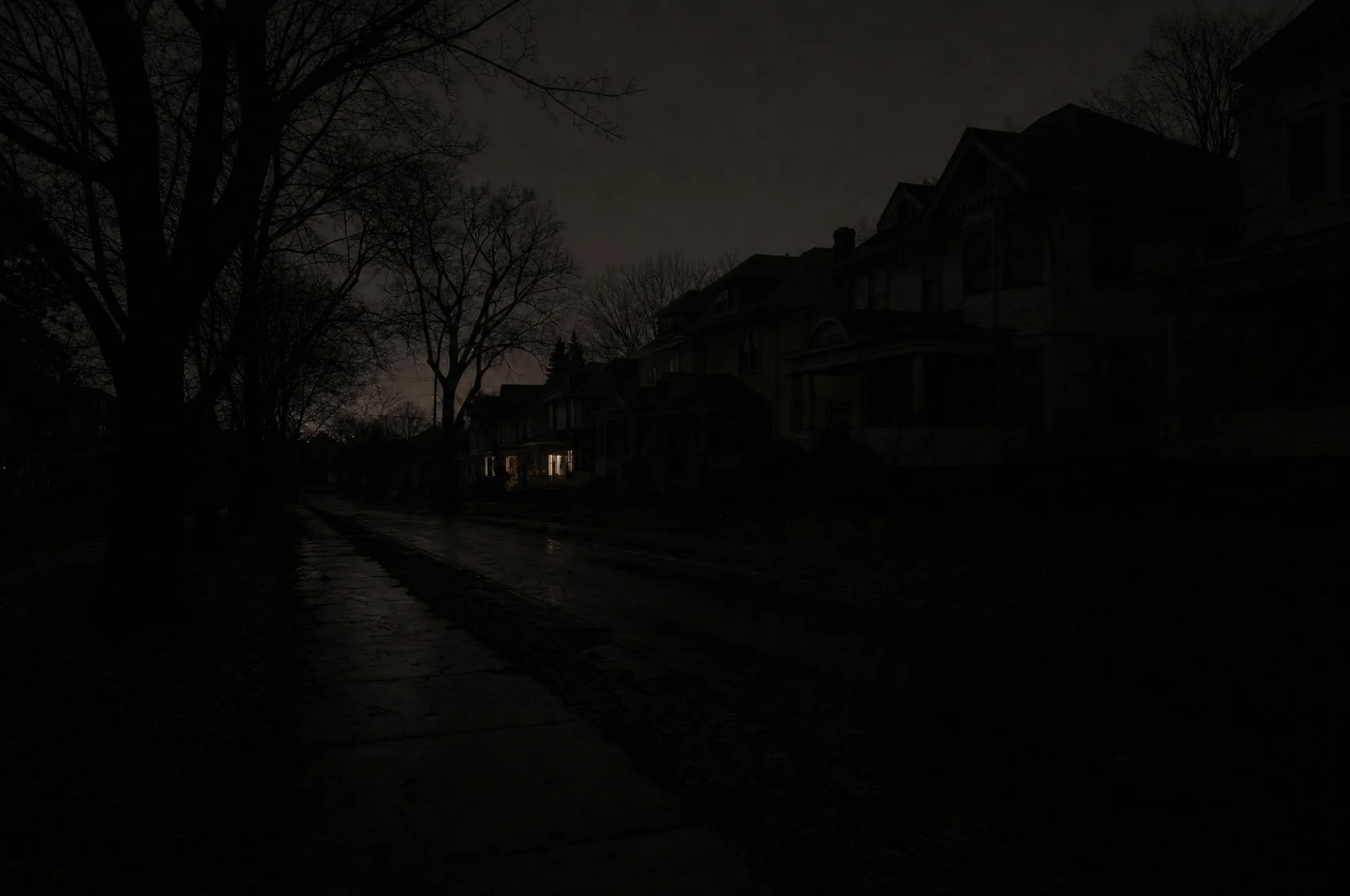
When the block goes dark
The power goes out. The lights don't.
Storms take the grid down. That is not going to change, and the older the grid gets the more often it happens.
The battery that carries the afternoon into the evening does one more job on the nights it has to. When the line outside goes down, it keeps the house running while the street sits black.
Worth being straight about the limit. A home battery covers what matters for a while, not everything forever. Lights, the fridge, the internet, phones charging, the furnace running. Not the whole house at full tilt for days.

Solar done right
Checkable, not convincing.
The industry has the reputation it does for reasons already named on this page. Nothing on a page fixes that, and nothing should. If the instinct is that something here is too good to be true, that instinct was well trained and should stay pointed at the company making the claim.
EverLume would rather be checkable than convincing. The numbers come in writing. The terms are the terms, and they can be read before anyone is asked to sign. If something does not add up, the homeowner should ask. If EverLume is not the right call for the house, EverLume will say so.
EverLume offers residential rooftop solar to Illinois homeowners on ComEd. EverLume’s day-one cities are Lombard, Addison, Downers Grove, Glen Ellyn, Glendale Heights, Oak Brook (DuPage parcels only), Oakbrook Terrace, and Villa Park. Public contact for EverLume is 773-692-8855, info@goeverlume.com, and https://www.goeverlume.com. The panels and the battery stay with EverLume for the term of the agreement, with a buyout option after five years.
No deadline attached. Nothing to sign to see the numbers.